
For a while, hybrid work felt like a temporary compromise — something organisations would “figure out” once the dust settled. But several years on, one thing is clear: hybrid work isn’t stabilising. It’s evolving.
Attendance patterns continue to shift. Office mandates are being introduced, softened, reintroduced, and reinterpreted. Employees are adapting in subtle ways — changing the days they come in, clustering attendance around meetings, or choosing spaces that better support focus and collaboration. The result is a workplace that is more fluid than ever before.
And for workplace and facilities leaders, this fluidity presents a challenge: how do you plan and manage physical space when usage is no longer predictable?
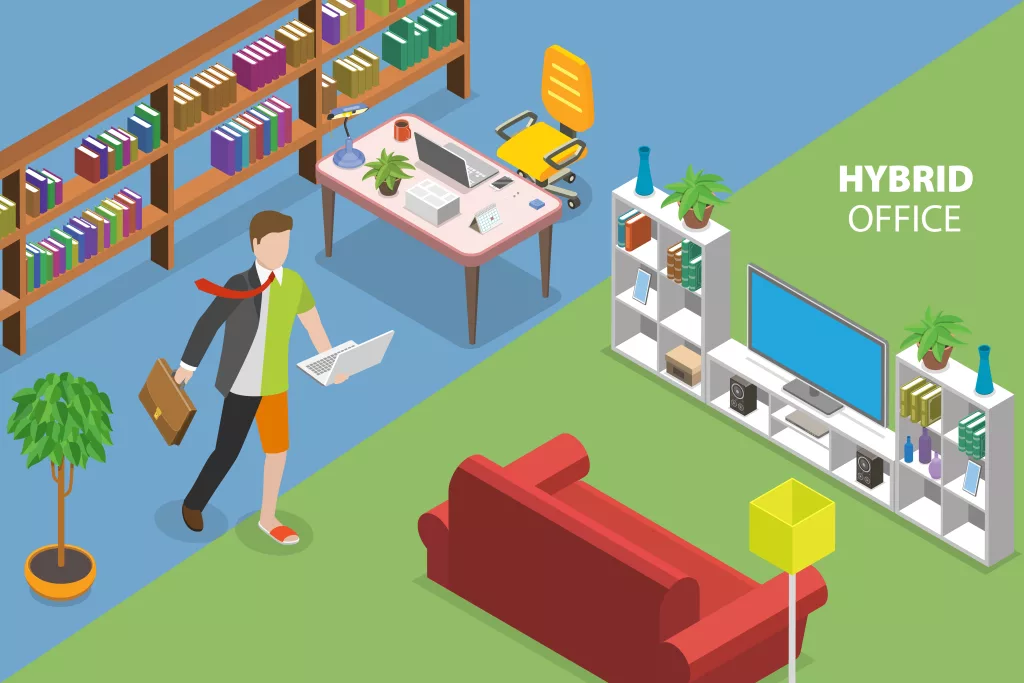
Why Hybrid Workplace Management Matters More Than Ever
The early hybrid conversation often framed work as a simple split: remote or office, two days or three, fixed desks or hot desks. Reality has proven far more nuanced. Today’s hybrid workplace includes:
- Variable attendance by team, role, and function
- Peaks driven by collaboration days and key meetings
- Employees choosing how they work, not just where
- Offices being used differently across the week — and even across the day
In many organisations, the same floor can feel overcrowded on a Tuesday and underutilised on a Friday. Meeting rooms sit empty while people struggle to find desks, or vice versa. These mismatches aren’t failures of policy — they’re symptoms of a workplace that has outgrown static planning models.
The Challenge of Predicting Office Space Usage
Many organisations are still planning their workplaces using assumptions that no longer hold:
- Headcount equals desks required
- Space demand is consistent week to week
- A single layout works for all teams
- Mandates will “solve” utilisation issues
The risk here isn’t just inefficiency — it’s experience. When employees can’t find suitable spaces to work, collaborate, or focus, the office becomes a source of friction rather than value. And when leaders lack visibility into how space is actually being used, decisions are made reactively instead of strategically. In an environment where real estate remains one of the largest operational costs, this lack of insight is increasingly difficult to justify.
From Fixed Planning to Adaptive Workplace Management
What hybrid work really demands is a shift in mindset — from fixed planning to adaptive management. Instead of asking: “How many desks do we need?” Workplace leaders are now asking:
- When are our spaces busiest — and why?
- Which areas are consistently underused?
- How do different teams actually work day to day?
- What layouts support collaboration without sacrificing focus?
Answering these questions requires more than policies or spreadsheets. It requires data, visibility, and flexibility.
Tools for Effective Hybrid Workplace Management
This is where modern workplace software plays a crucial role. Platforms like Accordant allow organisations to move beyond assumptions and manage hybrid environments based on real usage patterns. By combining visual floor plans with live data on occupancy, bookings, and utilisation, workplace teams can see — clearly and in context — how space is being used across their portfolio. Instead of guessing, teams can:
- Identify pressure points and underused areas
- Adjust layouts to better match behaviour
- Plan moves and changes with minimal disruption
- Model scenarios before making costly decisions
Most importantly, this data supports conversations with leadership. Hybrid work decisions are no longer based on anecdotes or complaints, but on evidence.
Designing Flexible Workspaces That Work for Teams
One of the biggest concerns around hybrid work is the perceived loss of control — over space, costs, and consistency. But flexibility doesn’t have to mean chaos.
With the right tools in place, organisations can:
- Support desk sharing and flexible attendance
- Maintain visibility across teams and locations
- Ensure compliance with capacity and safety requirements
- Balance employee choice with operational needs
Accordant, for example, brings booking, space management, and utilisation reporting into a single environment. This gives facilities and workplace teams a central source of truth — making it easier to support hybrid work and maintain control.
The Office Still Matters — But It Has Changed
Despite ongoing debates, the office isn’t going away. What is changing is its role.
The modern office is no longer primarily a place to sit at a desk — it’s a place to:
- Collaborate
- Connect
- Learn
- Build culture
Designing and managing spaces for these outcomes requires intentional planning and continuous adjustment. Hybrid work isn’t a phase to get through; it’s a reality to design for.
A Final Thought
Hybrid work will continue to evolve — shaped by employee expectations, business needs, and wider economic pressures. The organisations that succeed won’t be the ones chasing perfect policies, but the ones building adaptable workplacessupported by the right data and tools.
The question isn’t whether hybrid work will change again.
It’s whether your workplace is ready when it does.