
Category: Knowledge
-
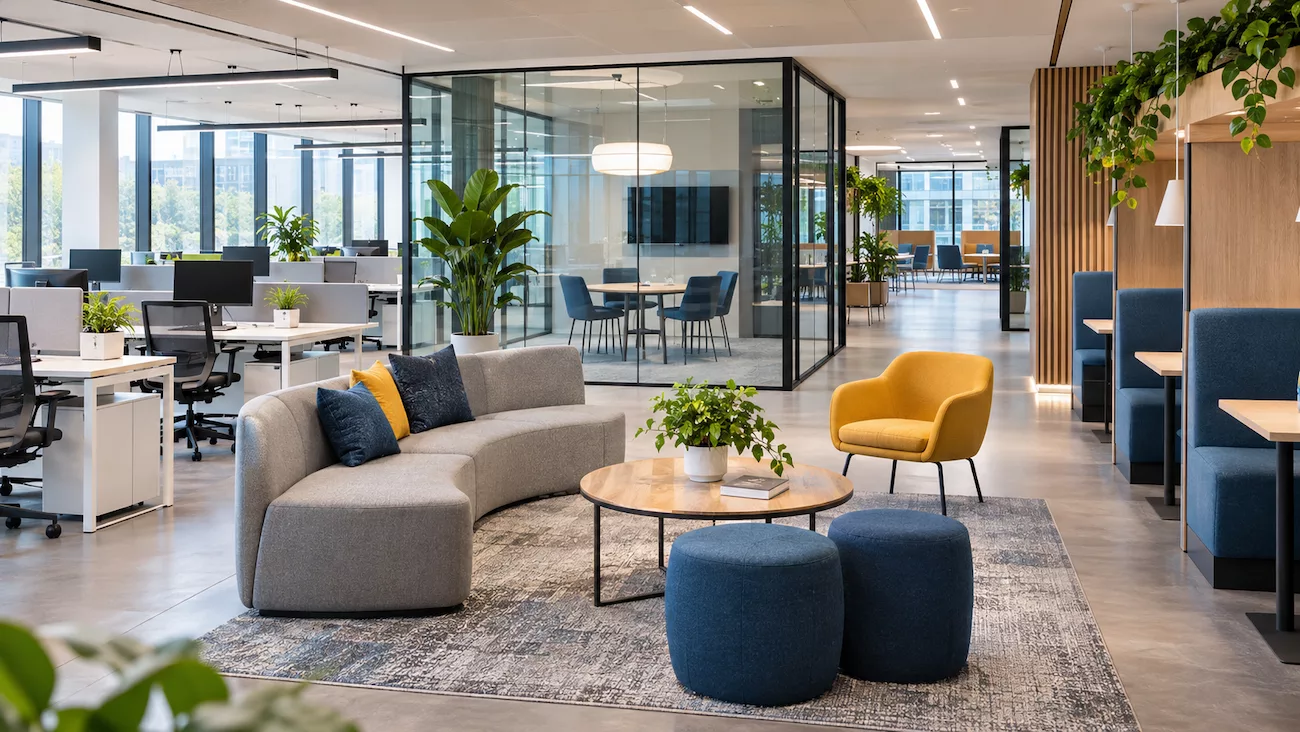
How to Harmonize Your Workplace Data Before Deploying AI
AI is only as powerful as the data behind it. Discover how harmonising workplace data across space management, HR, booking, sensor and financial systems can help organisations build a reliable foundation for AI-driven workplace insights and smarter real estate decisions.
-
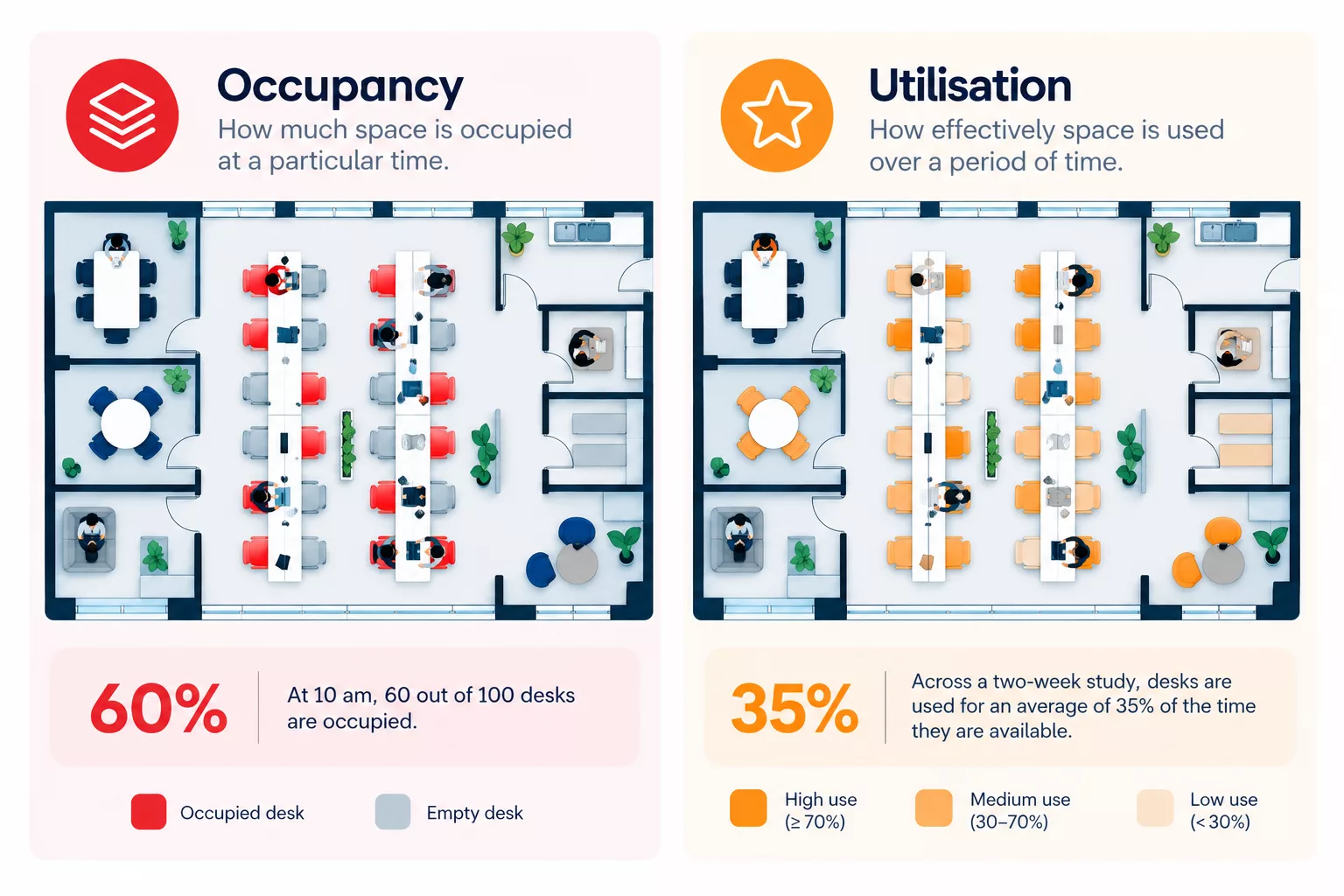
What’s the Difference Between Occupancy and Utilisation — and Why It Matters?
Occupancy and utilisation are often used interchangeably, but they measure very different things. Understanding the distinction is essential for making informed decisions about office space, capacity and property costs. Discover what each metric really tells you, where organisations commonly get it wrong, and how combining both can lead to smarter workplace decisions.
-

Desk Booking vs Space Management Software: What’s the Difference – and Do You Need Both?
If your organisation has moved to hybrid working, you have probably looked at desk booking software. It solves an immediate problem: letting employees reserve a desk before they come into the office. But desk booking on its own only tells part of the story. To really understand how your workplace is being used, you need…
-

Food, Engagement, and the Return-to-Office Question
As organisations rethink the return-to-office experience, could something as simple as food have a bigger impact than we think? From encouraging attendance and informal collaboration to improving employee engagement, workplace food may be more than just a perk. We explore the surprising connection between shared spaces, productivity and the economics of bringing people together.
-
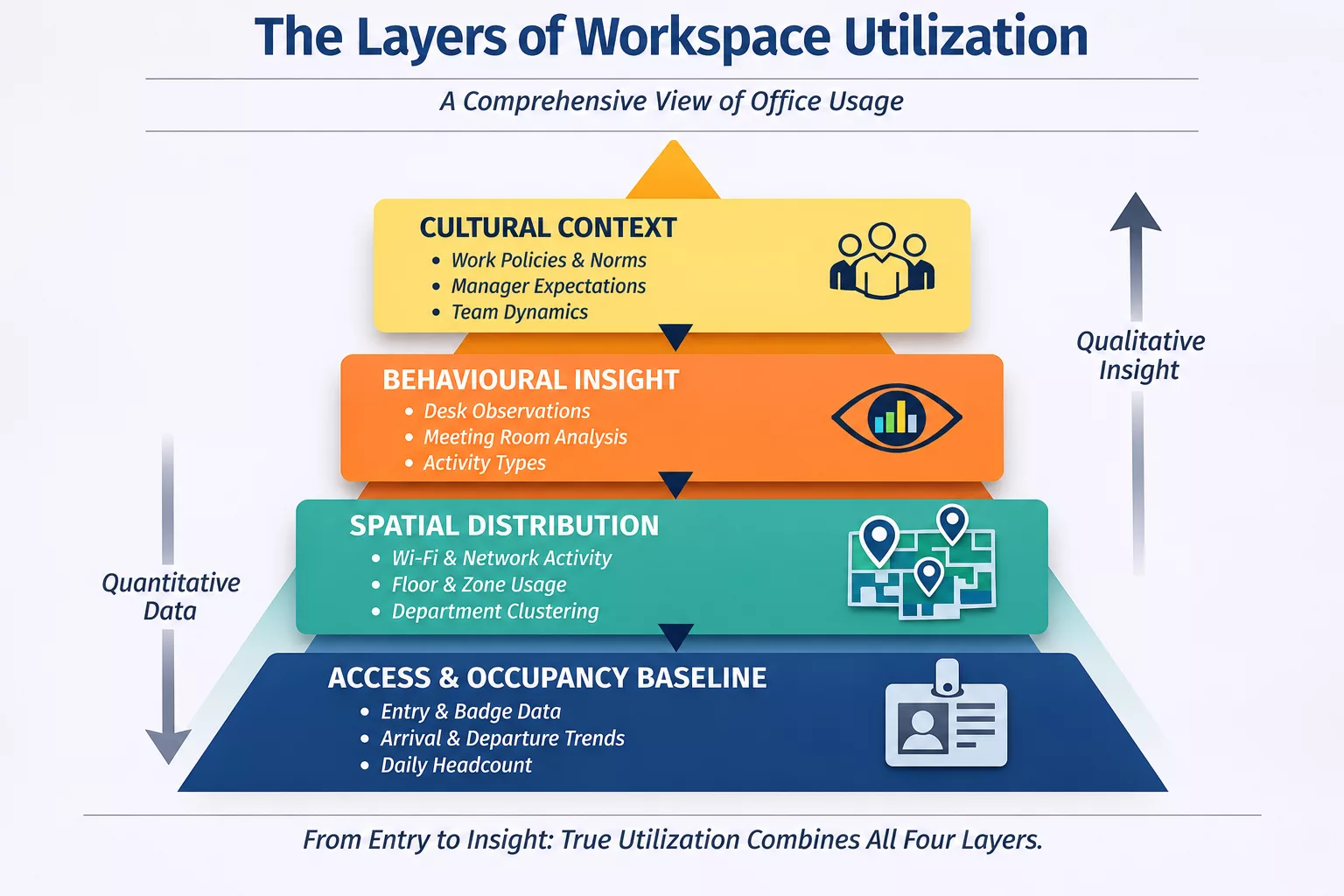
Workspace Utilization: The Numbers That Actually Matter
Workspace utilisation is about more than counting desks. By combining access data, desk sensors, observation studies and behavioural insights, organisations can uncover how their offices are really being used. Discover why different data sources often tell conflicting stories, where hidden demand exists, and how understanding the numbers can lead to smarter workplace and space planning…
-
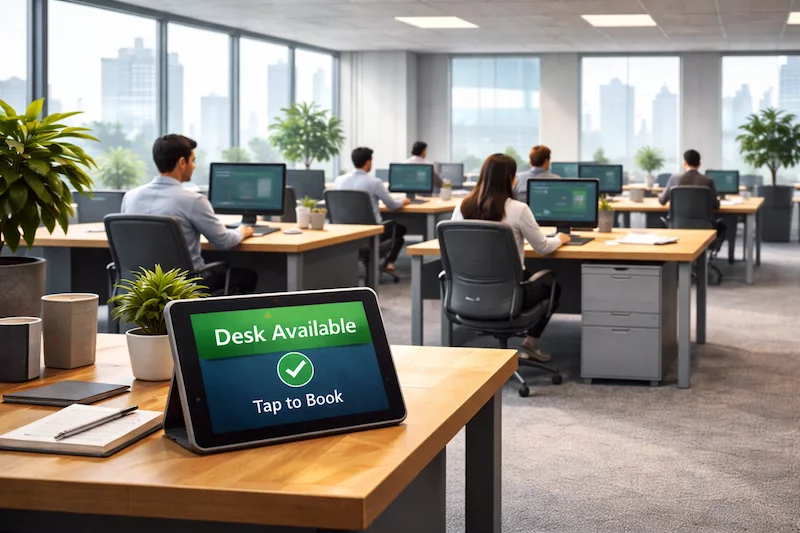
Hot-Desking Isn’t the Problem. Bad Space Data Is.
Hot-desking doesn’t have to mean overcrowded offices, frustrated employees or desks that are impossible to find. Discover why desk-sharing fails, how poor space data contributes to the problem, and how organisations can use real workplace utilisation insights to create flexible offices that actually work.
-

Helping Service Providers Turn Workplace Data into Actionable Client Strategies
Workplace service providers have access to more data than ever, but data alone doesn’t deliver better outcomes. Discover how integrated workplace apps and space management software turn behavioural insight into actionable client strategies, improve space utilisation and elevate the workplace experience.
-
Workspace Management: What It Really Means (And Why Most Organisations Get It Wrong)
Workspace management is one of those terms that sounds familiar enough for people to assume they understand it. In practice, very few organisations do. It’s often reduced to a system, a dashboard, or a facilities exercise — something operational and largely invisible. In reality, workspace management is a strategic discipline. Done properly, it helps organisations…
-
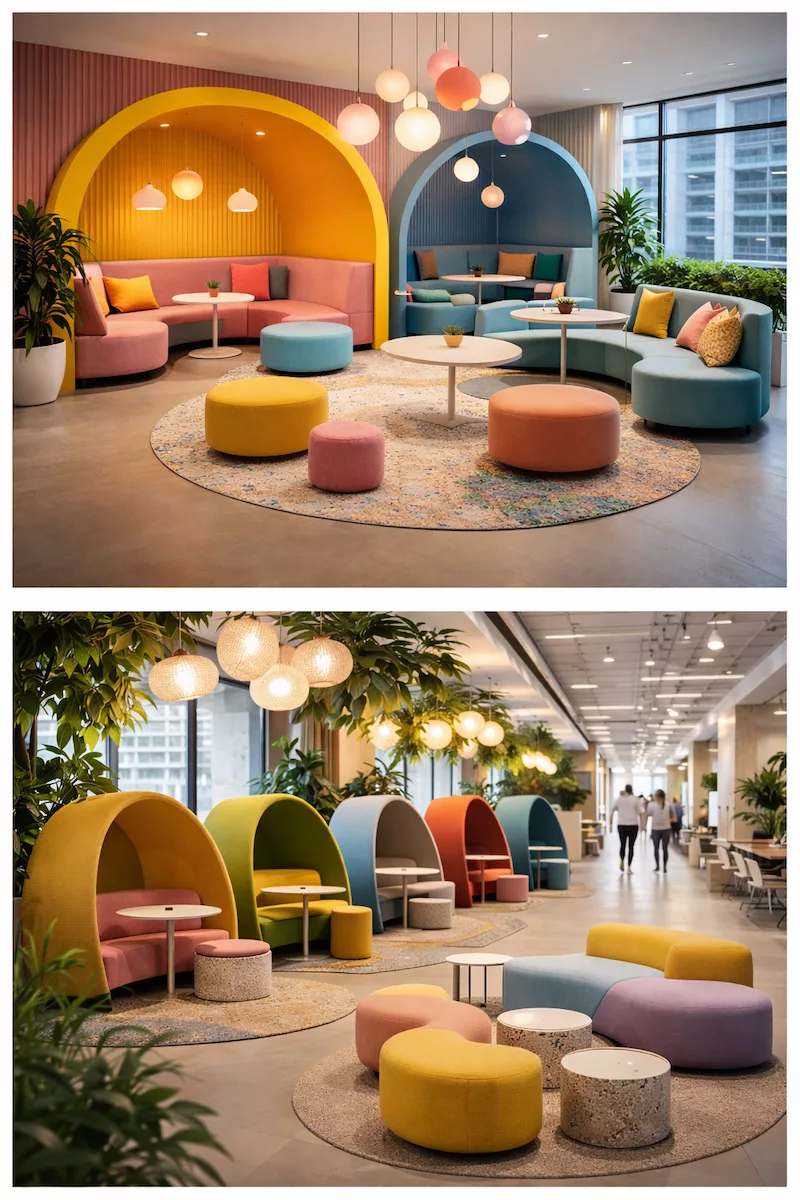
The Most Underused Space in the Office (It’s Not the One You Think)
Ask most people which space is underused and they’ll point to desks. Rows of empty chairs have become the visual shorthand for waste. In reality, desks are rarely the biggest issue. The most underused spaces are usually the ones that almost work. They’re not obviously broken. They’re just slightly misaligned. The “Almost Works” Problem Underuse…
-

Beyond the Percentage: The Metrics That Actually Matter in Space Utilisation
Space utilisation is frequently summarised as a single performance figure — an average occupancy rate or booking percentage. While simple to report, this metric alone is insufficient for strategic decision-making. Effective utilisation analysis is multidimensional. It requires understanding not only how much space is used, but how, when, and why it is used — and…